
Exploring Projection Mapping Workshops for Schools
- Vj Deliria
- Jun 20
- 4 min read

In the age of digital creativity, schools are constantly seeking innovative ways to engage students and enhance their learning experiences. One such method that has gained popularity is projection mapping. This technology allows educators to transform ordinary surfaces into dynamic displays, making lessons more interactive and visually stimulating. In this blog post, we will explore the benefits of projection mapping workshops for schools, how they can be implemented, and the impact they can have on students' learning.
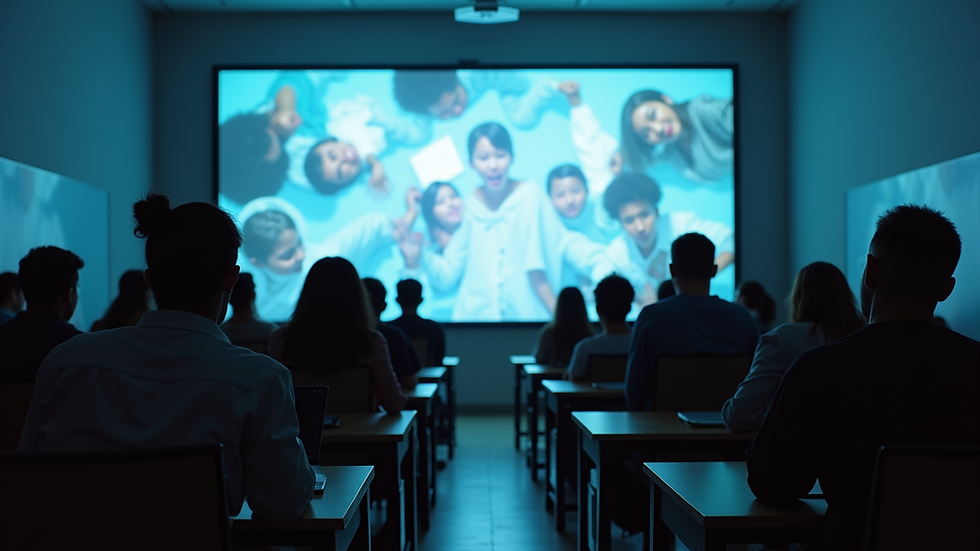
What is Projection Mapping?
Projection mapping is a technique that uses projectors to cast images onto irregularly shaped surfaces. Unlike traditional projection, which typically displays content on flat screens, projection mapping allows for a more immersive experience by adapting the visuals to fit the contours of the surface. This can include anything from buildings to classroom walls, creating a unique canvas for storytelling and education.
The Technology Behind Projection Mapping
At its core, projection mapping relies on several key technologies:
Projectors: High-quality projectors are essential for creating clear and vibrant images. Depending on the size of the surface and the level of detail required, schools may need to invest in multiple projectors.
Software: Various software options are available for creating and controlling projection mapping content. Programs like MadMapper and Resolume allow users to design intricate visuals that can be synchronized with audio.
Content Creation: Schools can either create their own content or source it from existing libraries. This flexibility allows educators to tailor the visuals to their specific curriculum needs.
Benefits of Projection Mapping Workshops
Enhancing Creativity
One of the most significant advantages of projection mapping workshops is their ability to foster creativity among students. By allowing them to design their own visuals, students can express their ideas in innovative ways. This hands-on approach encourages collaboration and teamwork, as students often work in groups to brainstorm and execute their projects.
Improving Engagement
Traditional teaching methods can sometimes lead to disengagement, especially in subjects that students may find challenging. Projection mapping brings lessons to life, making complex topics more accessible and enjoyable. For example, a history lesson about ancient civilizations can be transformed into a visual journey, with students seeing 3D representations of historical sites projected onto classroom walls.
Developing Technical Skills
In addition to enhancing creativity and engagement, projection mapping workshops also equip students with valuable technical skills. They learn how to use software, operate projectors, and understand the principles of design and animation. These skills are increasingly relevant in today’s digital world and can benefit students in their future careers.
Implementing Projection Mapping Workshops in Schools
Step 1: Assessing Resources
Before launching a projection mapping workshop, schools should assess their available resources. This includes evaluating the existing technology, such as projectors and computers, as well as determining the budget for any additional equipment or software needed.
Step 2: Training Educators
Teachers play a crucial role in the success of projection mapping workshops. Providing training sessions for educators ensures they are comfortable with the technology and can effectively guide students through the creative process. Workshops can be organized with experts in projection mapping to provide hands-on training.
Step 3: Designing the Curriculum
Integrating projection mapping into the curriculum requires thoughtful planning. Educators should identify specific subjects or topics that would benefit from this technology. For instance, science classes can use projection mapping to illustrate complex processes, such as the water cycle or cellular division.
Step 4: Hosting Workshops
Once the resources are in place and educators are trained, schools can host projection mapping workshops. These can be structured as one-off events or as part of a larger curriculum initiative. Encouraging participation from students across different grades can foster a sense of community and collaboration.
Case Studies: Successful Implementation
Case Study 1: High School Art Program
A high school in California integrated projection mapping into its art program. Students were tasked with creating a visual representation of their personal identities. Using projection mapping, they designed intricate visuals that were projected onto a large canvas in the school auditorium. The final showcase attracted parents and community members, highlighting the students' creativity and technical skills.
Case Study 2: Middle School Science Class
A middle school in New York utilized projection mapping to enhance its science curriculum. During a unit on ecosystems, students created a projection that illustrated the interactions between different species in a rainforest. The project not only deepened their understanding of the subject but also improved their teamwork and presentation skills.
Overcoming Challenges
Technical Difficulties
One of the primary challenges schools may face when implementing projection mapping workshops is technical difficulties. To mitigate this, schools should ensure they have reliable equipment and access to technical support. Regular maintenance of projectors and software updates can also help prevent issues during workshops.
Budget Constraints
Budget constraints can limit the ability of schools to invest in the necessary technology for projection mapping. To address this, schools can seek grants or partnerships with local businesses that may be willing to sponsor the program. Additionally, exploring open-source software options can reduce costs.
The Future of Projection Mapping in Education
As technology continues to evolve, the potential for projection mapping in education will only grow. With advancements in augmented reality (AR) and virtual reality (VR), the integration of these technologies into projection mapping could create even more immersive learning experiences. Schools that embrace these innovations will be better equipped to prepare students for the future.
Encouraging Lifelong Learning
Projection mapping workshops not only enhance students' current educational experiences but also instill a love for learning. By engaging with technology in creative ways, students are more likely to pursue further education in fields related to design, technology, and the arts.
Conclusion
Projection mapping workshops offer a unique opportunity for schools to enhance creativity, engagement, and technical skills among students. By implementing these workshops, educators can transform traditional learning environments into dynamic spaces that inspire and motivate students. As schools continue to explore innovative teaching methods, projection mapping stands out as a powerful tool for fostering a love of learning and preparing students for the future.
By investing in projection mapping, schools are not just adopting a new technology; they are embracing a new way of teaching that resonates with the digital generation. The journey into the world of projection mapping is just beginning, and its potential is limitless.


Comments